The Big Idea
A digital series on the most pressing topics facing business today. Join us for articles, videos, podcasts, webinars, events, and more.
MCQs/NATIONAL - INTERNATIONAL
by Super Admin

Previous Big Idea series



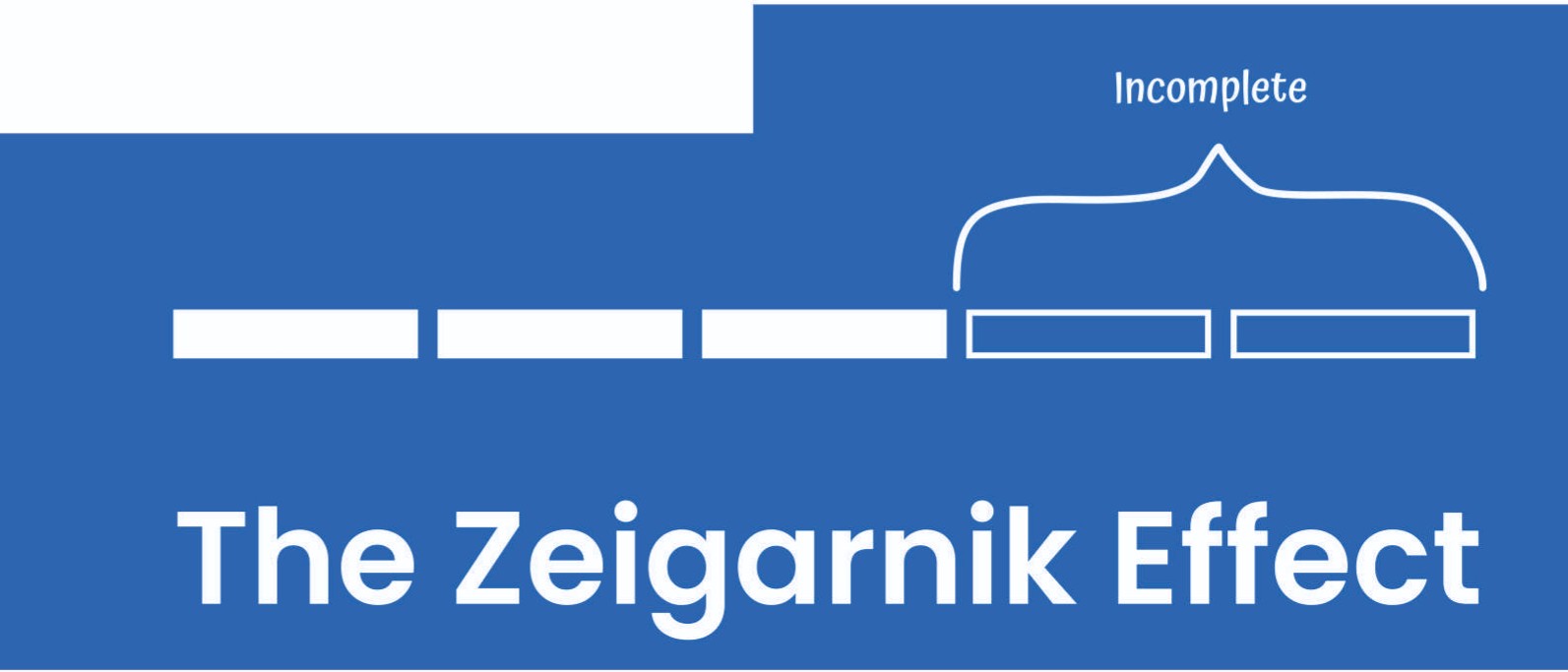
The Zeigarnik Effect
Have you ever noticed that an unfinished business or incomplete activity holds a privileged place in memory? Are you haunted by unfulfilled goals? Do you recall what you haven't achieved more than what you have? This subtle mental tug, or more rightly an itch of the unfinished, is the Zeigarnik Effect, a fascinating psychological phenomenon that explains why incomplete tasks tend to occupy your mind more persistently than the ones you have completed.
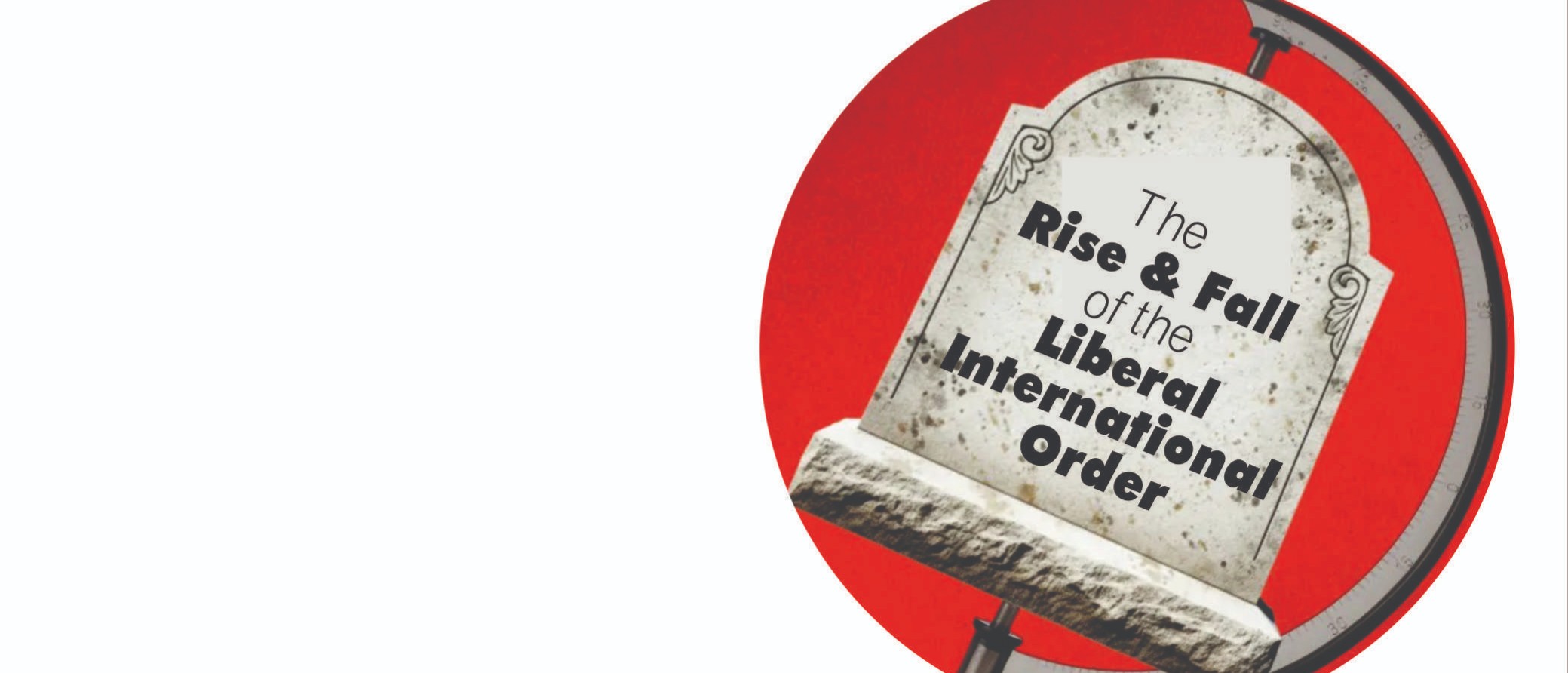
The Rise & Fall of the Liberal International Order
Is there such a thing as a “liberal international order” anymore? The most succinct and terse answer to this question is: No. And this is not without a reason. Reports from the past few weeks suggest that it was killed off by US President Donald Trump, who joined Israel in an all-out war on the Islamic Republic of Iran without any legal basis or rationale. In pursuit of his America-First agenda, Trump has thrown out the rulebook on trade, international relations, respect for human rights and, as we have seen with the bombing of Iran, the use of lethal force against sovereign states. So, is this the end of the liberal international order, or will other liberal states be able to salvage something from the geopolitical wreckage?
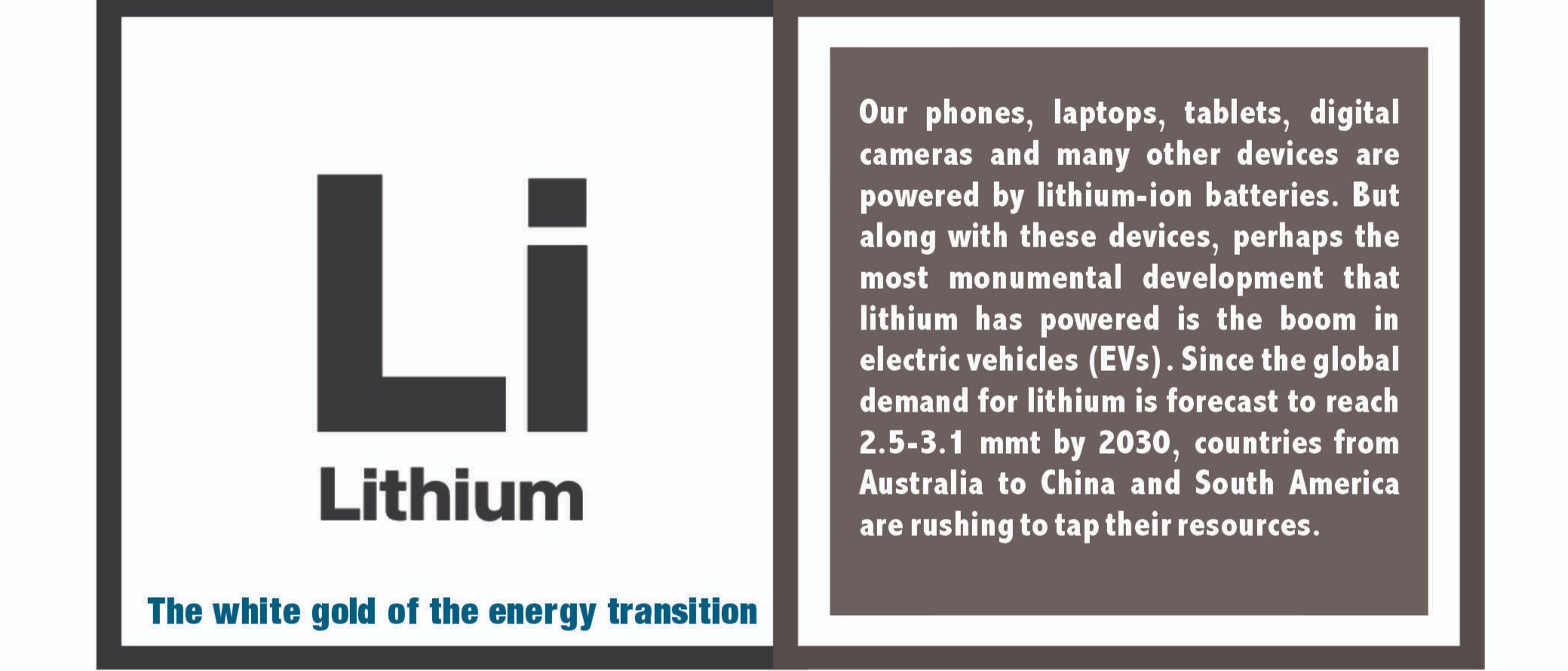
Lithium
Our phones, laptops, tablets, digital cameras and many other devices are powered by lithium-ion batteries. But along with these devices, perhaps the most monumental development that lithium has powered is the boom in electric vehicles (EVs). Since the global demand for lithium is forecast to reach 2.5-3.1 mmt by 2030, countries from Australia to China and South America are rushing to tap their resources.


CSS Preparation and Time Management
Being efficacious is a fundamental human need. For CSS aspirants, this is a highly coveted trait, as they have to cover a vast syllabus and sift through countless pages of books, magazines, research papers, notes and other sources. To many, this looks quite hectic, burdensome and a real hard nut. To crack this hard nut, a commonly endorsed strategy is summarized by a popular quote by Mark Twain, who said: “If it's your job to eat a frog, it's best to do it first thing in the morning. And if it's your job to eat two frogs, it's best to eat the bigger one first.”

Young Women Entrepreneurs
Over the past few years, there has been a lot of talk about the non-feasibility of investing in women entrepreneurs, as it was perceived that entrepreneurship is only a hobby for women; they are not serious about scaling and they don't have the grit or capability to move the needle and make these businesses viable and successful. However, the perception is changing now. Many ambitious women are now becoming entrepreneurs as both a pathway to financial independence and a means to make a difference.
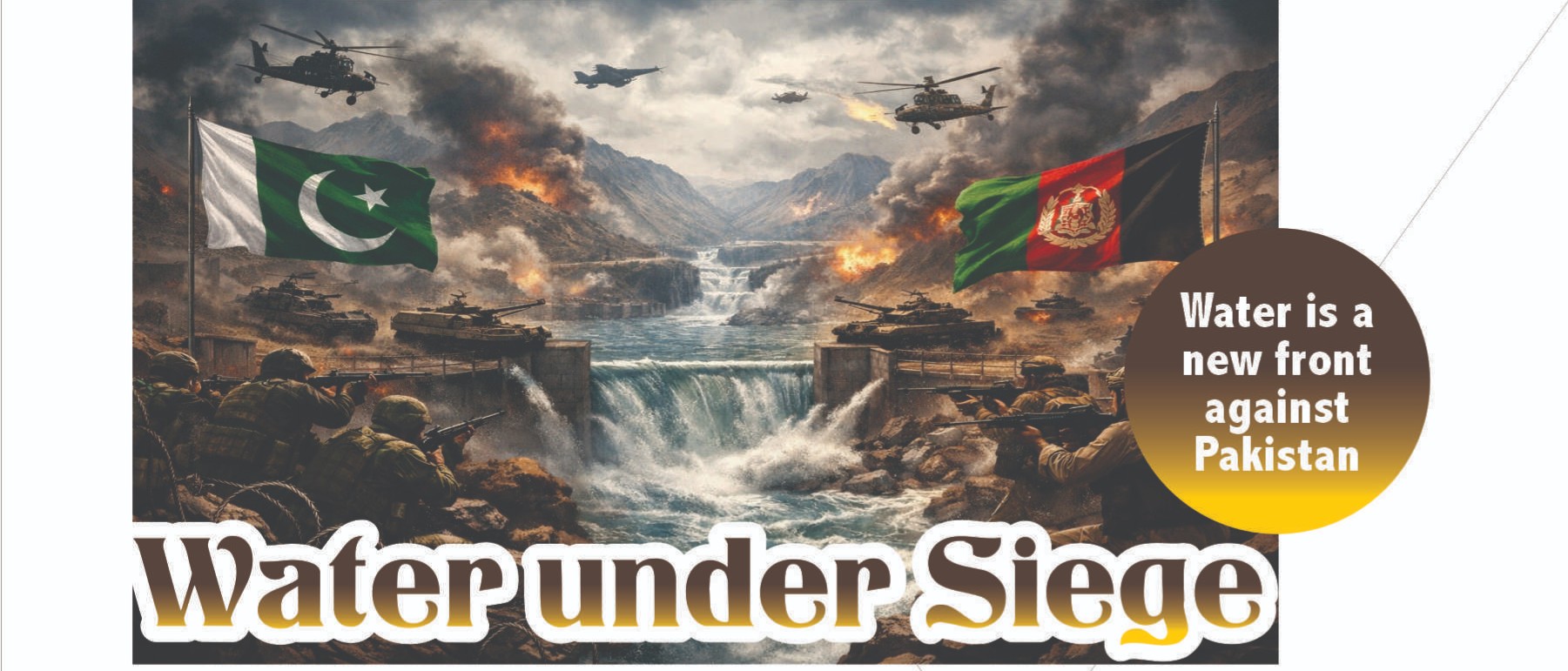
Water Under Siege
In October last year, the Afghan Taliban leadership decided unilaterally to construct dams on the Kunar and Kabul rivers, raising serious concerns in Pakistan. This announcement came just weeks after India's unilateral and illegal suspension of the Indus Waters Treaty, raising alarm bells in Islamabad. These moves signal a deeply troubling phase in Pakistan's water security, as the country's economy depends on the agriculture sector, whose very survival depends on water. Pakistan has long sought a water-sharing framework with Kabul; none has materialized. Kabul's announcement to “begin construction as soon as possible” asserts sovereign right but intensifies Pakistan's water insecurity. To counter this growing challenge, Pakistan should adopt a strategy that emphasises regional hydro cooperation by securing predictable downstream flows, limiting India's geopolitical encroachment, strengthening its international standing as a responsible riparian, and transforming the Kabul River from a security liability into a platform for regional stability and shared prosperity.
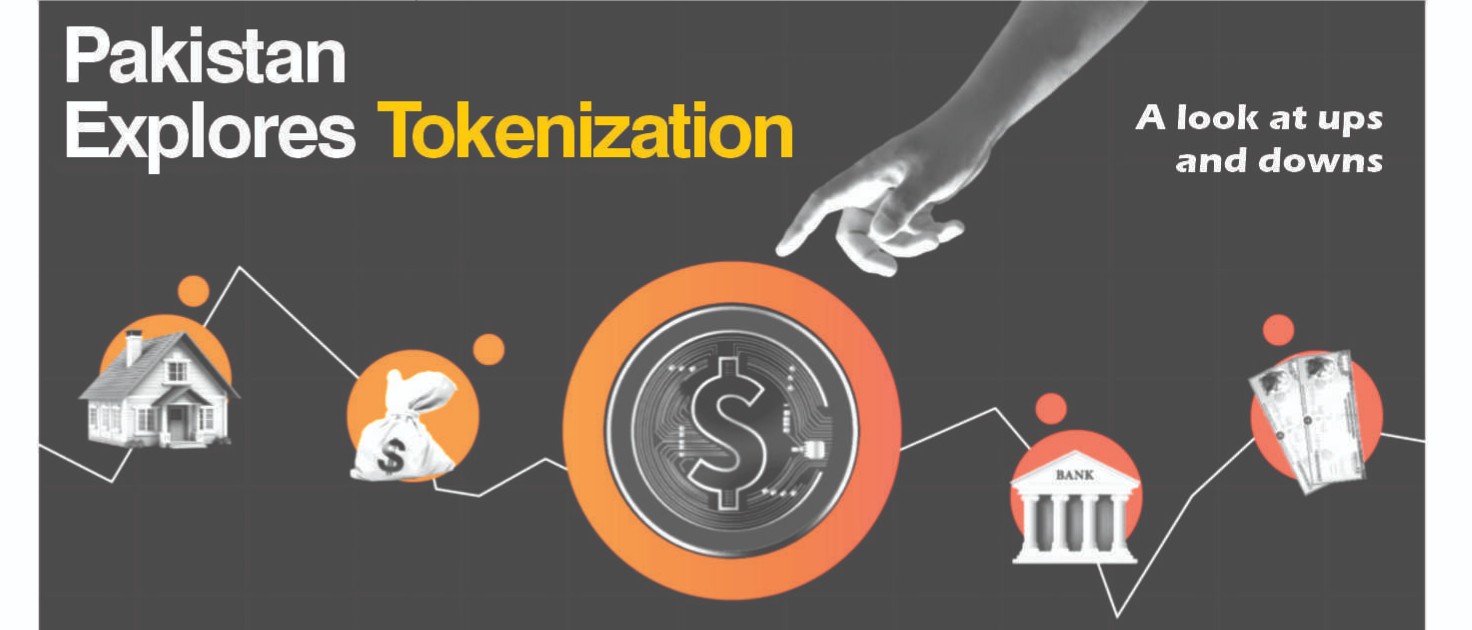
Pakistan Explores Tokenization
The Government of Pakistan is planning to tokenize up to $2 billion of domestic government debt in an initial phase, as Islamabad explores digital financial instruments to broaden investor participation and modernize public debt markets. “Ministry of Finance, Government of Pakistan, has also planned to tokenize some portion of its domestic debt worth $2 billion in the first phase, primarily tapping retail investors,” the finance ministry said in a statement, quoting adviser to the finance minister Khurram Schehzad. In the following write-up, we will know about Tokenization and its impacts.
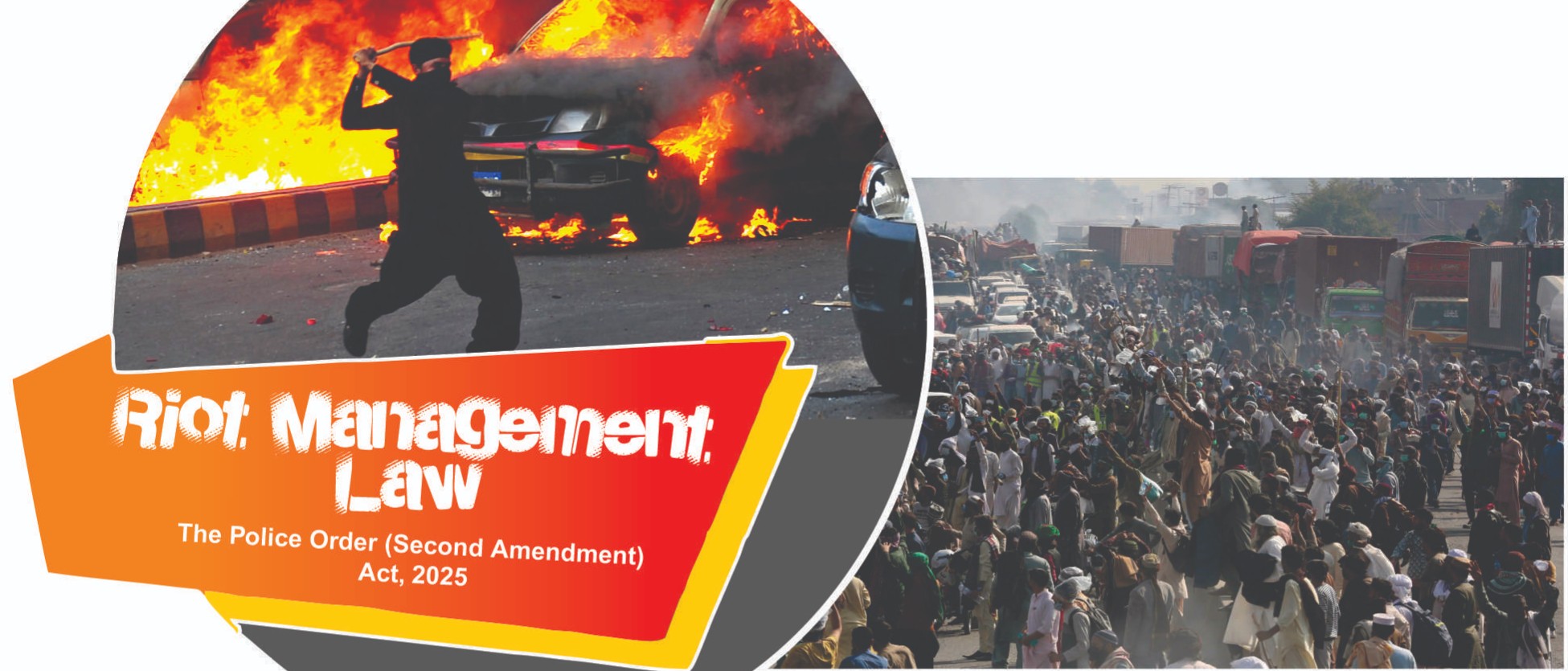
Riot Management Law - The Police Order (Second Amendment) Act, 2025

Rare Earths, Great Power Politics
... and Pakistan's Opening in a Contested Supply Chain
Human Capital
The missing link in Pakistan Econimic Transformation
Higher Education in the Age of AI We Need to Act Strategically and Decisively
Artificial Intelligence (AI) is no longer a distant concept — it's here, reshaping industries, careers and the way we learn. The disruption has already begun and the pace of change is exponential, not linear. In the coming years, machines will replicate many cognitive tasks, but they may not replicate what makes us uniquely human: imagination, emotional intelligence, compassion and moral reasoning. As such, universities must evolve beyond centres of knowledge transfer into 'labs of humanity', where students explore what it means to be human in an age of machines. This demands a renewed emphasis on creativity, critical thinking, ethical inquiry and emotional resilience. These are skills that machines cannot replicate but are essential for leading and thriving in an AI-driven world.
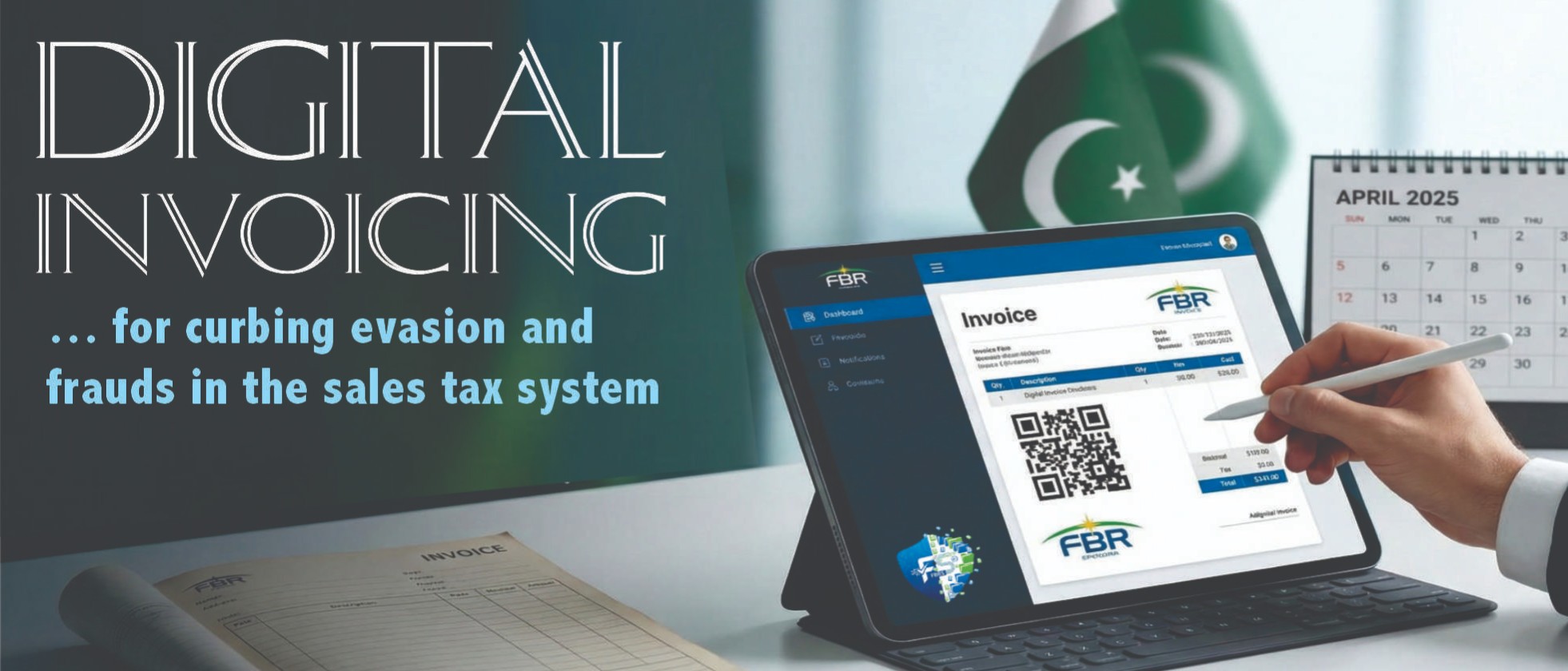
Digital Invoicing
In 2005, Pakistan adopted digital invoicing initiative to curb sales tax evasion and tax fraud so as to bridge the sales tax gap. In this write-up, the author, therefore, discusses significance of digital invoicing (e-invoicing) and rules for its implementation in Pakistan. Impact of digital invoicing on sales tax revenue on account of detecting and curbing evasion and fraud has also been highlighted.
Comparative Economic Trajectories of India and Pakistan
At a time when headlines are dominated by higher tariffs and economic nationalism, India and the European Union have finalized a long-delayed free trade agreement – dubbed as the “mother of all deals” – that will cut tariffs on most goods and boost trade. This deal is a major win for Brussels and New Delhi as both seek to open up new markets in the face of US tariffs and Chinese export controls. The pact will eventually link the world's most populous country, with roughly 1.5 billion people, to a market of around 500 million consumers. For global trade flows, that scale alone is transformative. For Pakistan, whose export base is narrow and fragile, the implications are immediate and strategic and raise uncomfortable questions that cannot be postponed.
US - India Trade Deal
Quick on the heels of the conclusion of India's long-drawn-out trade negotiations with the EU, the US and India have announced a trade deal that will open up the latter's market of over 1.4 billion people to American products. The interim trade agreement immediately removes the punitive 25% tariff on Indian goods, envisages reduction of US reciprocal tariffs on Indian goods from 25% to 18% and commits India to tariff cuts on US industrial and agricultural products, alongside a $500 billion purchase commitment from the US over the next five years. The marks a significant shift in the global trade landscape, with implications that extend well beyond the two countries.
The US National Defense Strategy
The US Department of War (DoW) recently published its 2026 National Defence Strategy, which signals arguably the single greatest shift in American defense priorities since the end of World War II. It articulates a significantly smaller role for the United States in global affairs and downplays the threat posed by traditional adversaries such as China and Russia. Calling for a “decent peace” in the Indo-Pacific and “strategic stability” with China, the policy is a departure from Washington's decades-old posture of viewing China as the primary global threat.
India - EU FTA
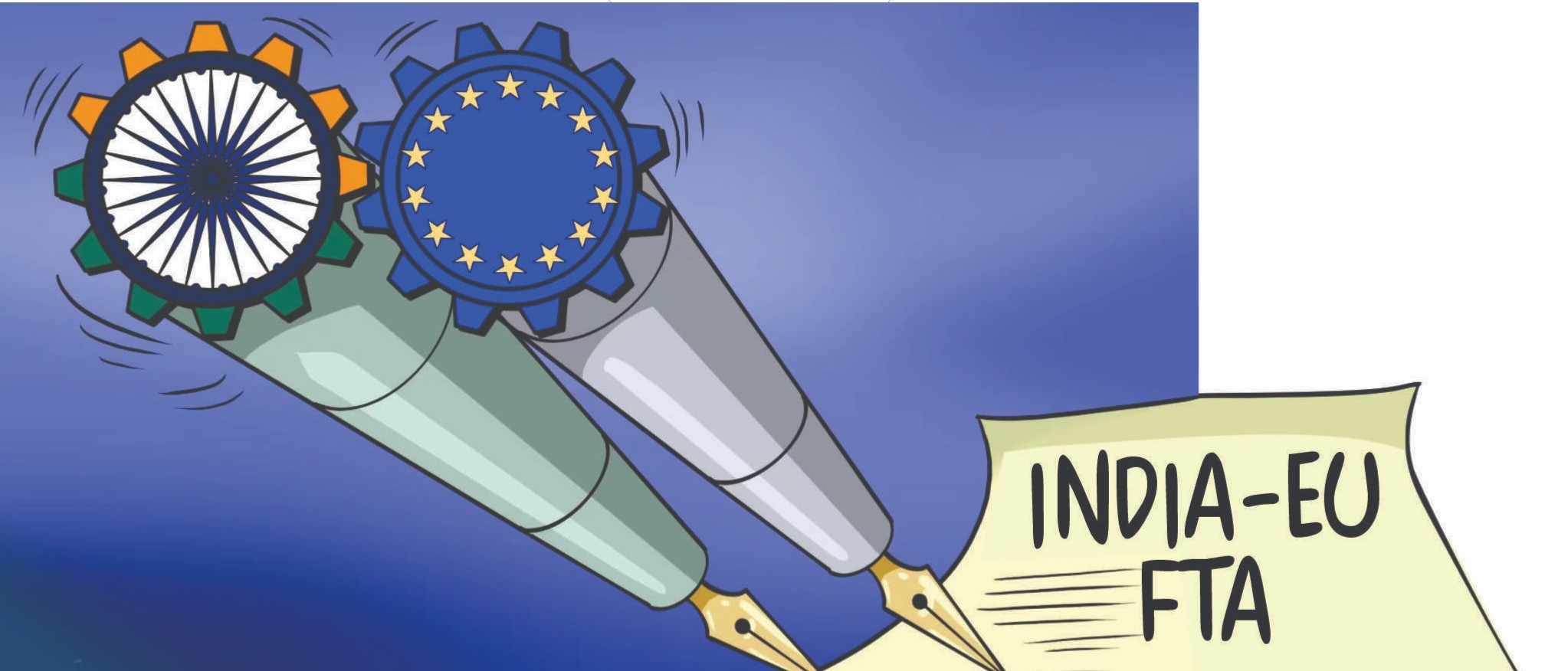
On Jan. 27, the European Union and India reached a landmark free trade deal that is expected to double the former's exports to India by 2032 and it will, in return, reduce tariffs on 99.5% of goods imported from India. Concluded after about two decades of negotiations, the deal has been described as the “mother of all deals” by European Commission President Ursula von der Leyen, as it which aims to remove trade barriers and open up new export opportunities, creates the world's largest free trade zone, encompassing two billion people and nearly 25% of global gross domestic product.
The Architecture of US Global Dominance
US global supremacy is not a historical accident but the result of a deliberate, decades-long strategy that masterfully interlinks finance, energy, military might and maritime control. At the heart of this architecture is the US dollar, functioning less as a simple currency and more as the indispensable operating system of the international order. Now, under President Trump, an updated version of the Monroe Doctrine, which equated economic power with national security, has come into play. Although the Trump administration's National Security Strategy 2025 describes it as the “Trump corollary”, Trump himself has referred to it as the “Donroe Doctrine”.
High Seas Treaty Enters into Force
The world's first legally binding agreement to protect marine life in international waters has taken effect, meaning it is now binding international law for the countries and parties that have ratified it. The treaty creates the first framework for establishing Marine Protected Areas on the high seas, which make up about two-thirds of the world's ocean. Currently, only around 1% of these international waters are protected. Now, ratifying countries must begin working together on ocean science and technology as well as helping developing nations to build capacity to participate in ocean governance.
Coming Soon
Watch this space for more information on the next Big Idea.