Print subscription includes a free wall-size coloured map.Special offer: Subscribe Now (Print) and Get Free Wall Size Coloured Map!Subscribe Now
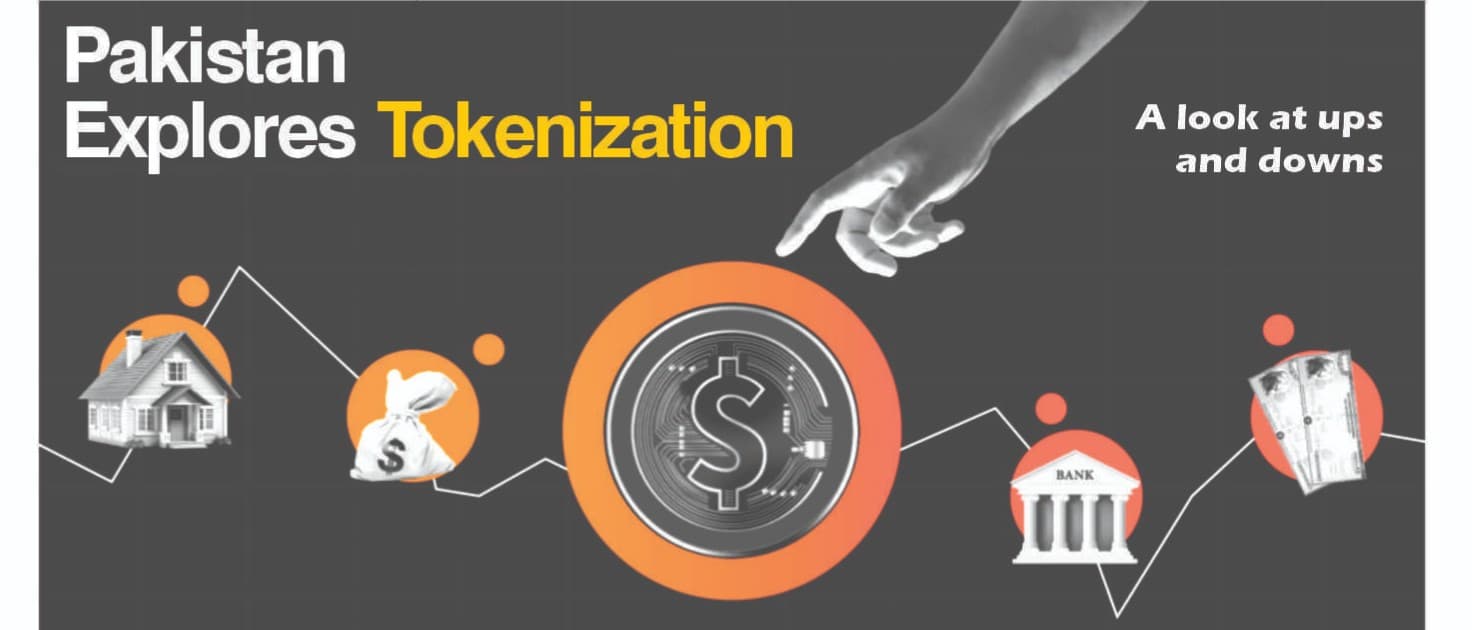
Summary. The Government of Pakistan is planning to tokenize up to $2 billion of domestic government debt in an initial phase, as Islamabad explores digital financial instruments to broaden investor participation and modernize public debt markets. “Ministry of Finance, Government of Pakistan, has also planned to tokenize some portion of its domestic debt worth $2 billion in the first phase, primarily tapping retail investors,” the finance ministry said in a statement, quoting adviser to the finance minister Khurram Schehzad. In the following write-up, we will know about Tokenization and its impacts.
Topics