Global South Awakening

Global South Awakening

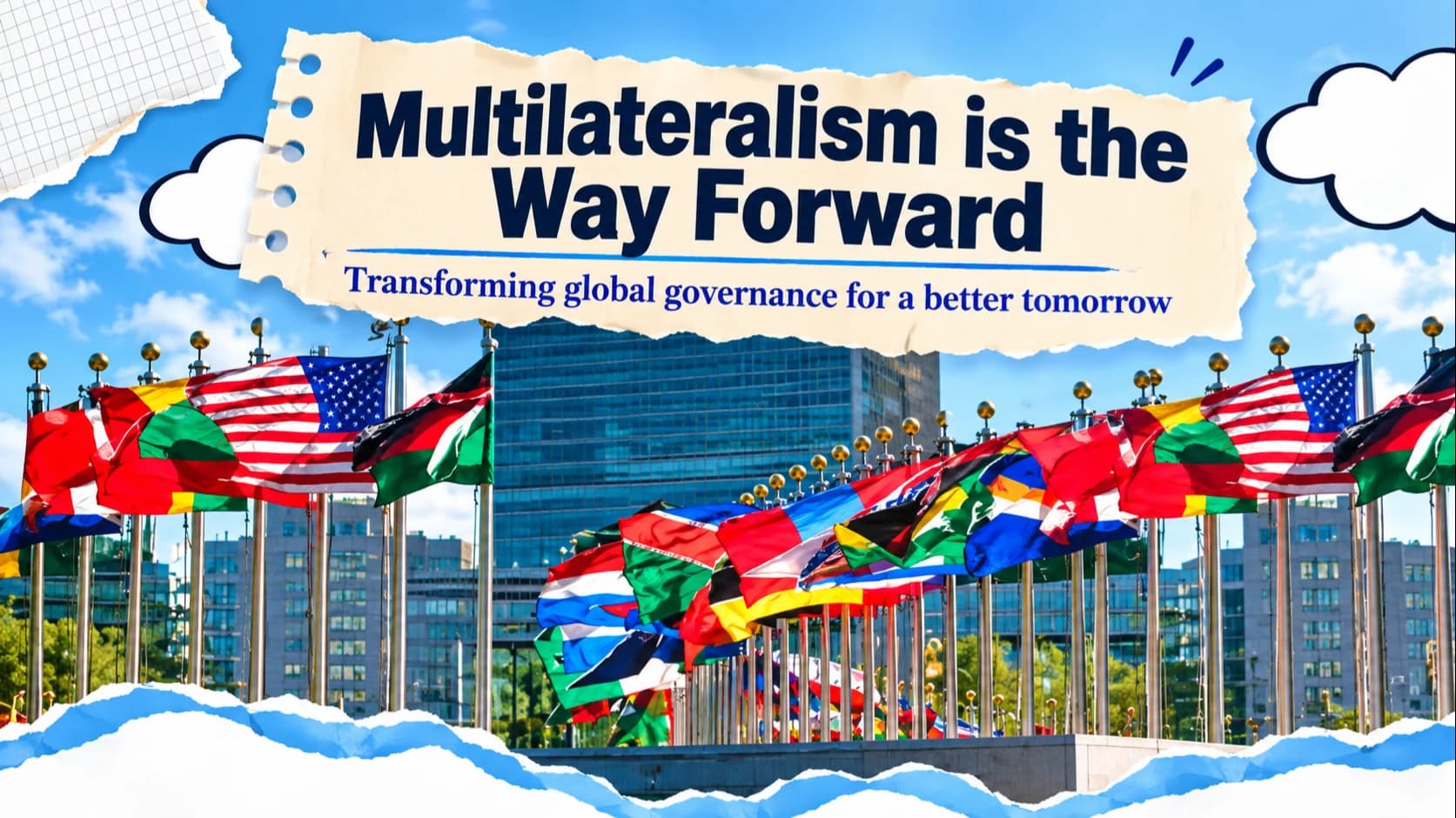
The post-1945 international order is undergoing a profound transformation as Western-dominated institutions face declining legitimacy due to protectionism, unilateral interventions and selective enforcement of global norms. In response, the Global South—representing the majority of humanity—is asserting greater agency by building alternative financial and political mechanisms and demanding equitable multilateralism. The expansion of BRICS and the growing role of the New Development Bank reflect institutional consolidation rather than symbolic resistance, emphasizing financial autonomy and reduced reliance on Western systems. Recent geopolitical interventions, including actions in Iran and Venezuela, have reinforced perceptions of conditional sovereignty and accelerated diversification toward emerging powers. However, this movement is not anti-Western; it seeks reform rather than rupture, advocating inclusive governance and pragmatic engagement with Northern markets. Anchored in priorities such as industrialization without carbon inequity, digital sovereignty, food and energy security, and Bretton Woods reform, the emerging consensus promotes non-alignment and collective bargaining. Ultimately, the Global South is reshaping global politics by advancing a multipolar, post-hegemonic order grounded in sovereignty, equity and institutional balance.

The international system is undergoing its deepest structural transformation since 1945.

Western-led institutions face erosion of credibility due to protectionism, unilateral military interventions and selective enforcement of international norms.

Premium Content

Continue reading with unlimited access to exclusive insights, analysis, and expert perspectives.

Subscribe to unlock this article and more features

Read more on Exam Pack or related topics

About the Author