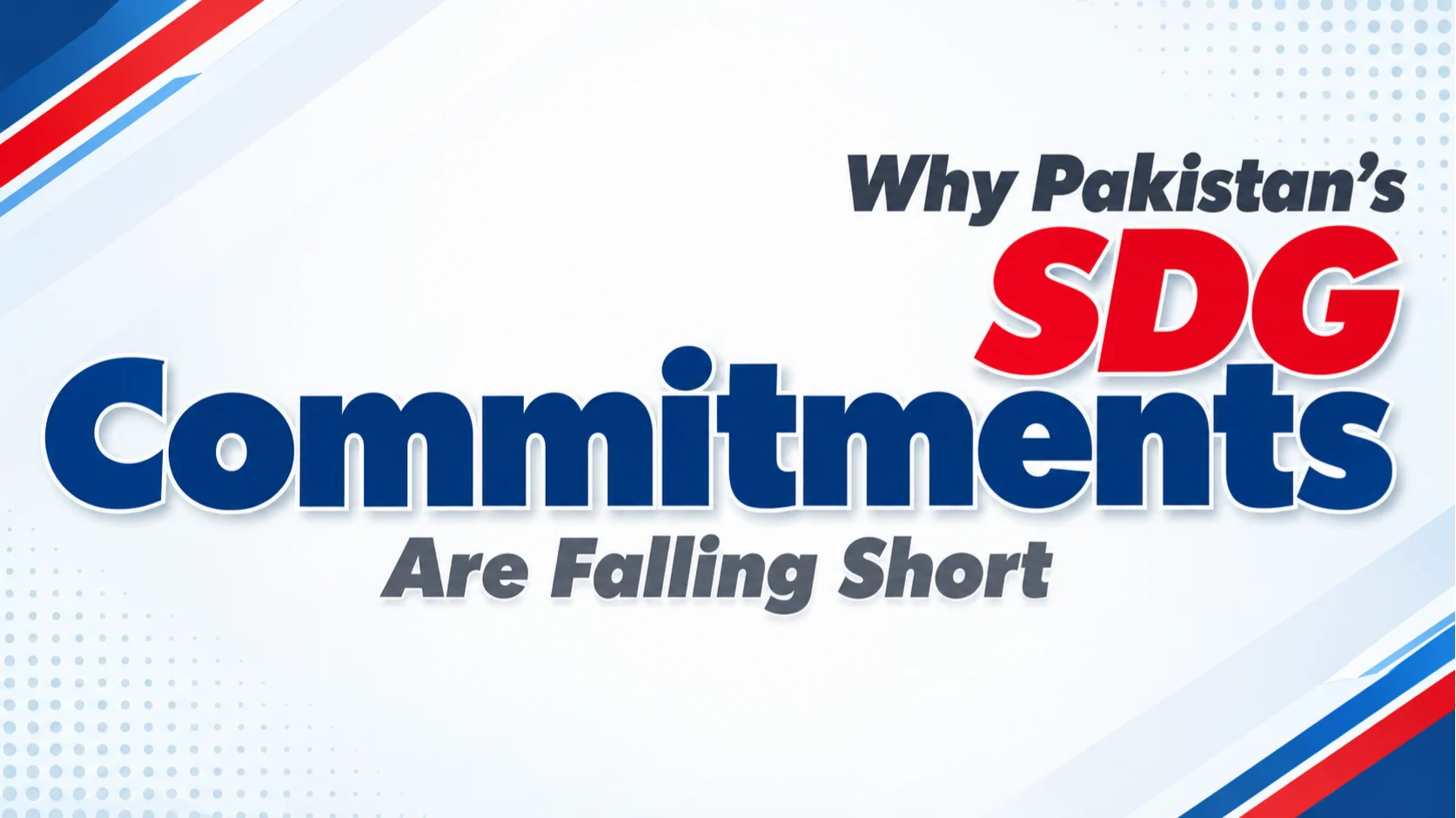
Pakistan's development journey has long been shaped by cycles of ambition, resilience and recurring setbacks. From the Millennium Development Goals (MDGs) to the Sustainable Development Goals (SDGs), the country publicly committed to global development norms, established SDG Support Units and submitted multiple Voluntary National Reviews. Yet these institutional mechanisms have not translated into consistent results. While some sectors—such as electricity access and financial inclusion—have registered gains, major pillars of human development, including education, health, gender equality, environmental sustainability and governance, continue to underperform. Pakistan's SDG Index score of 57.0 places the country in the lower tier of global performers, underscoring the substantial distance it must still travel.
The most troubling development is the resurgence of poverty, which has reversed earlier progress. This trend reflects broader SDG backsliding: recent assessments indicate that only a minority of targets are on track, while many indicators are stagnant or deteriorating. Fiscal constraints, limited public investment in social sectors and fragmented implementation structures have combined to impede meaningful advancement. The shortcomings are not merely technical; they represent a systemic governance failure. Chronic policy inconsistency, short-term political incentives, weak accountability and underfunded local governments have turned otherwise achievable goals into missed opportunities.
Over the past three years, governance weaknesses have amplified economic shocks that pushed households back into vulnerability. Inflation surged to levels that eroded purchasing power, real incomes declined and energy tariffs and indirect taxes were raised without adequate compensatory protections. Social support programs were often delayed or uneven in coverage, leaving many households exposed. In such conditions, inflation operates as a regressive tax, steadily eroding dignity, savings, and future prospects. As service delivery deteriorated, conflict dynamics in several regions intensified. Weak coordination among security, development and justice institutions allowed local grievances to evolve into protracted instability, further discouraging investment and diverting scarce resources away from human development.
Climate change has acted as a force multiplier, deepening every structural weakness. The increasing frequency and severity of floods, heatwaves and droughts have imposed heavy economic and social costs. Yet climate preparedness and adaptation remain underfunded, fragmented and poorly coordinated. Despite available climate finance and technical knowledge, limited institutional capacity and weak implementation have left communities exposed to repeated disasters. Environmental degradation continues not because solutions are unknown but because execution remains inconsistent and accountability insufficient.
Moving forward requires urgent, practical shifts. Economic growth must be grounded in productivity, stable policy frameworks and sustained investment in human capital. Social protection must become transparent, well-funded and capable of rapid delivery during crises. Climate resilience must be elevated to a national priority through risk-informed planning and strengthened local capacity. Underpinning all these reforms is the need for competent, accountable governance—clear targets, reliable financing and institutions that deliver.
Pakistan's development story is not one of failure but of unfinished promise. The SDG rankings and poverty reversal should be read as warnings rather than verdicts. With clarity, courage and institutional reform, Pakistan can restore momentum and transform its commitments into lasting dignity for its people.
I. Introduction
Pakistan's development marked by ambition, resilience, and recurring setbacks
Uneven progress from MDGs to SDGs despite institutional mechanisms
II. Mixed Performance on SDGs
Gains in electricity access and financial inclusion
Persistent deficits in education, health, gender equality, sustainability, governance
Low SDG Index score (57.0) reflects limited progress
III. Poverty Reversal and Governance Failures
Return of poverty alongside broader SDG backsliding
Stagnating indicators due to fiscal constraints and weak investment
Governance breakdown: inconsistency, short-termism, weak accountability, fragmented institutions
IV. Socioeconomic Shocks and Rising Vulnerability
Inflation, falling real incomes, rising tariffs and taxes without protection
Delayed or uneven social support
Conflict dynamics worsened due to weak service delivery and poor inter-agency coordination
V. Climate Change as a Risk Multiplier
Increasing frequency of floods, heatwaves, droughts
Underfunded and poorly coordinated preparedness
Environmental degradation due to lack of sustained implementation
VI. Path Forward
Anchor growth in productivity, human capital, and stable policy
Scale transparent and rapid social protection
Prioritize climate resilience and local capacity
Centrality of governance reform, financing, and accountability
VII. Conclusion
Pakistan's story is one of unfinished promise
SDG warnings as catalysts for reform and renewed momentum