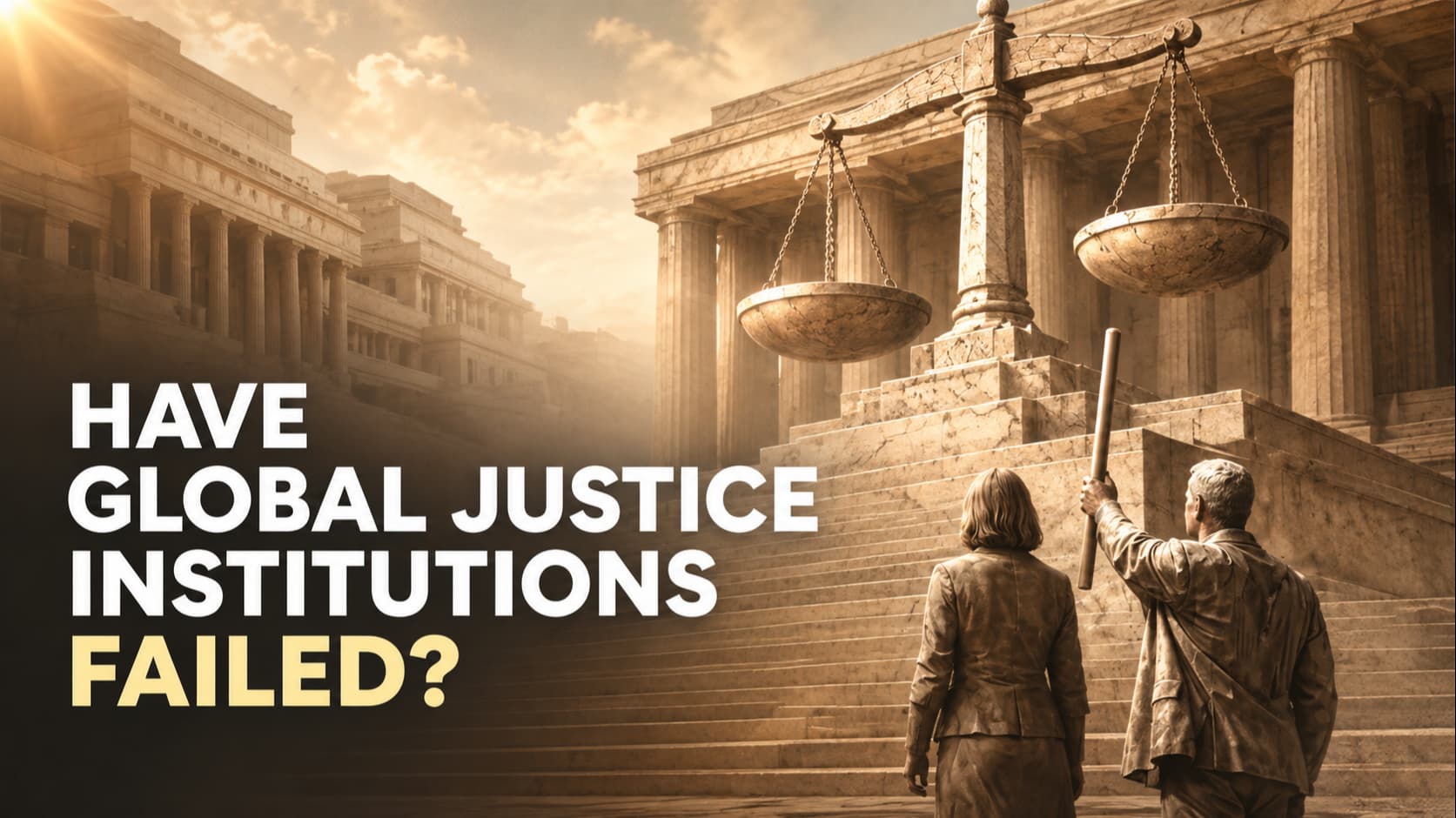
InternationalHave Global Justice Institutions Failed ?After the Second World War, Western powers established a liberal international order whereby a series of international organizations were established and agreements signed to promote global cooperation and codify what they called universal ideals of justice into an international legal system. Today, however, those same institutions appear unable to prevent the destruction taking place in Gaza, Iran, Ukraine, Sudan and several other parts of the world despite findings and proceedings involving the International Court of Justice and the International Criminal Court. The impotence of the United Nations (UN) and other international bodies raises the question: whether global institutions are equipped to prevent such tragedies or hold aggressors accountable. And, more rightly, do we really need them? JWorld Times Super Admin - October 5, 2026
In Conversation with Dr. Maheen Mansoor (PAS) - 23rd in Pakistan; CSS 2025-26JWorld Times Super Admin - October 5, 2026
Confabulsation with Qamar Javed Tehsildar Board of Revenue Punjab (1st Postion in Punjab)JWorld Times Super Admin - October 5, 2026
In Conversation with Muhammad Ahmad Faraz 23rd in Punjab; 2023-24JWorld Times Super Admin - October 5, 2026
General Knowledge CornerMajor Military AlliancesIn a world redefined by rapid technological shifts and intensifying regional rivalries, it seems that the era of strict non-alignment is over. Today, shifting power balances are making countries seek firmer military partnerships and clearer security architectures in times of crisis. It is due to this reason that military alliances are gaining importance amidst global conflict risks. Most recently, the Makkah Pact, signed by Türkiye, Saudi Arabia and Pakistan, has come with an aim to strengthen regional security, strategic autonomy and collective deterrence. As the global security architecture seems shifting toward “minilateralism” – smaller, more agile groups focused on high-tech warfare and maritime dominance – this alliance reflects the will of the regional powers rather than that of the global powers. JWorld Times Super Admin - October 5, 2026
NationalWorld in FocusWorld in Focus (Aug-Sep'26) - NATIONALJWorld Times Super Admin - October 5, 2026
InternationalWorld in FocusWorld in Focus (Aug-Sep'26) - INTERNATIONALJWorld Times Super Admin - October 5, 2026
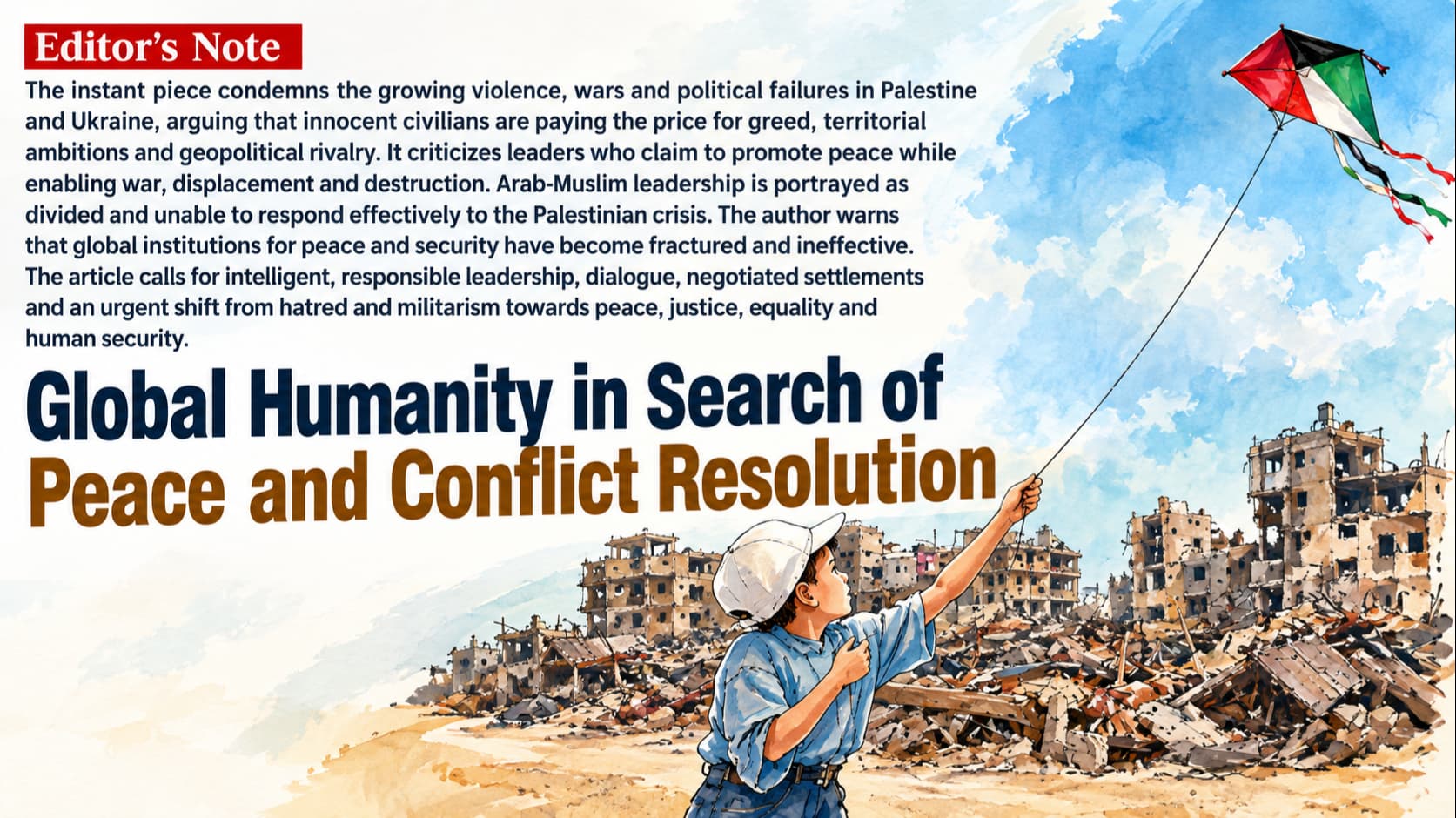
InternationalGlobal Humanity in Search of Peace and Conflict ResolutionJWorld Times Super Admin - October 6, 2026
NationalThe Hydropolitics of the Indus Waters TreatyIn what can be called a landmark victory for Pakistan, a court of arbitration in The Hague has ruled that India cannot unilaterally suspend the Indus Waters Treaty, rejecting every argument New Delhi has used to justify holding the six-decade-old water-sharing agreement “in abeyance” since April 2025. The five-member court found that the treaty “remains fully in force” and that India “must observe its obligations” under it, including those governing the design and operation of hydropower projects on rivers that flow into Pakistan. India, which is officially a member of the court, said it did not recognize the court and "categorically" rejected the verdict. Although the ruling strengthens Pakistan's position, even if it offers no obvious way to force India's hand, it has once again brought into the limelight the hydropolitics being played over the treaty.JWorld Times Super Admin - October 6, 2026