Print subscription includes a free wall-size coloured map.Special offer: Subscribe Now (Print) and Get Free Wall Size Coloured Map!Subscribe Now
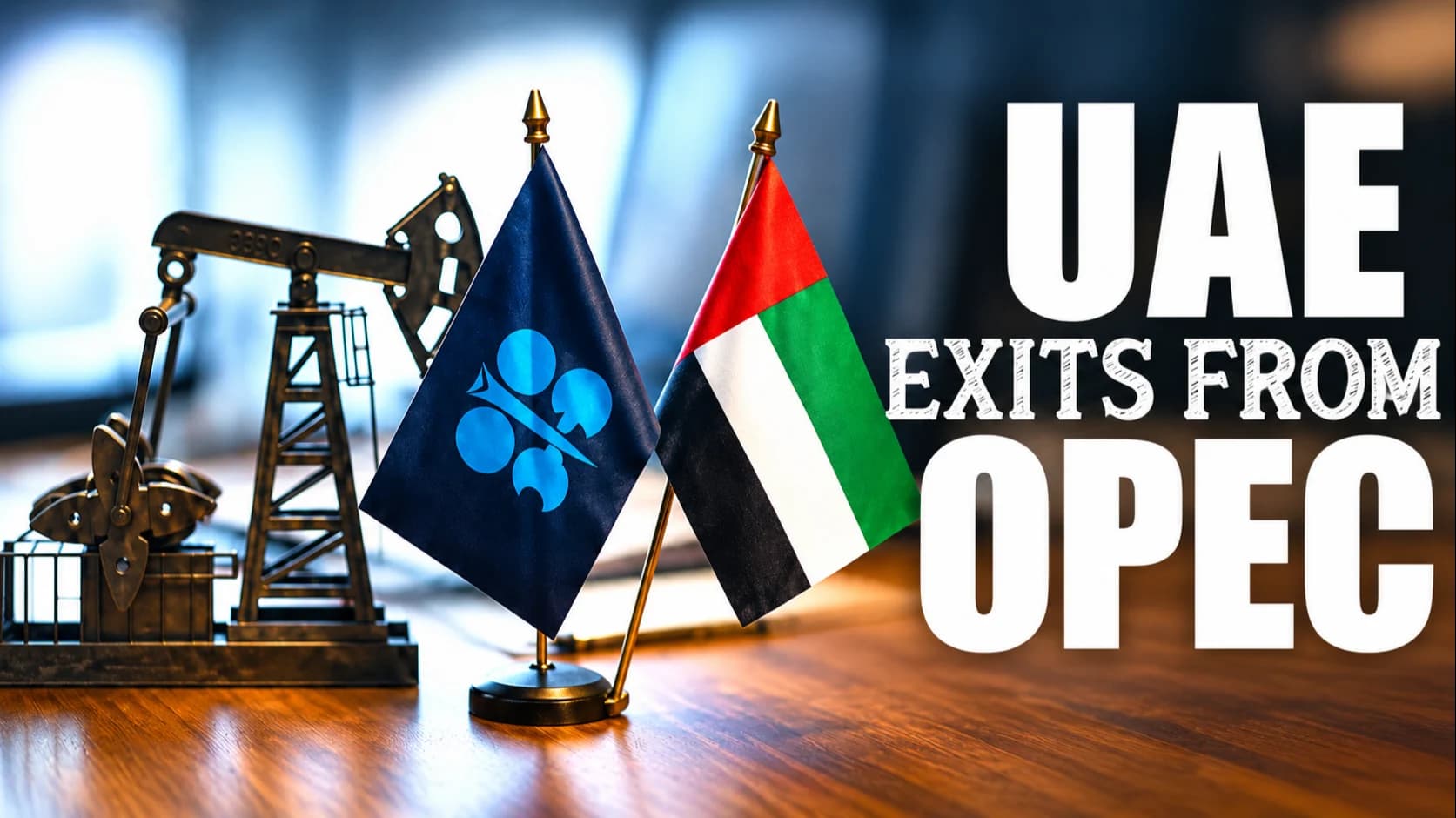
Summary. The United Arab Emirates has exited the Organisation of the Petroleum Exporting Countries (OPEC) and OPEC+, bringing an end to nearly six decades of its participation in coordinated oil production policy. This shocking decision has come at a time when near-term volatility, including disruptions in the Arabian Gulf and the Strait of Hormuz, continues to affect oil supply dynamics. With this move the UAE has set out a clear plan to raise its oil production capacity to five million barrels per day by 2027, positioning itself to play a larger role in meeting global demand at a time of heightened market pressure. However, the central issue for markets is whether increased production autonomy from a major Gulf producer will translate into lower prices or introduce greater volatility over time.
Topics
The Writer is a Karachi-based academic.