Print subscription includes a free wall-size coloured map.Special offer: Subscribe Now (Print) and Get Free Wall Size Coloured Map!Subscribe Now
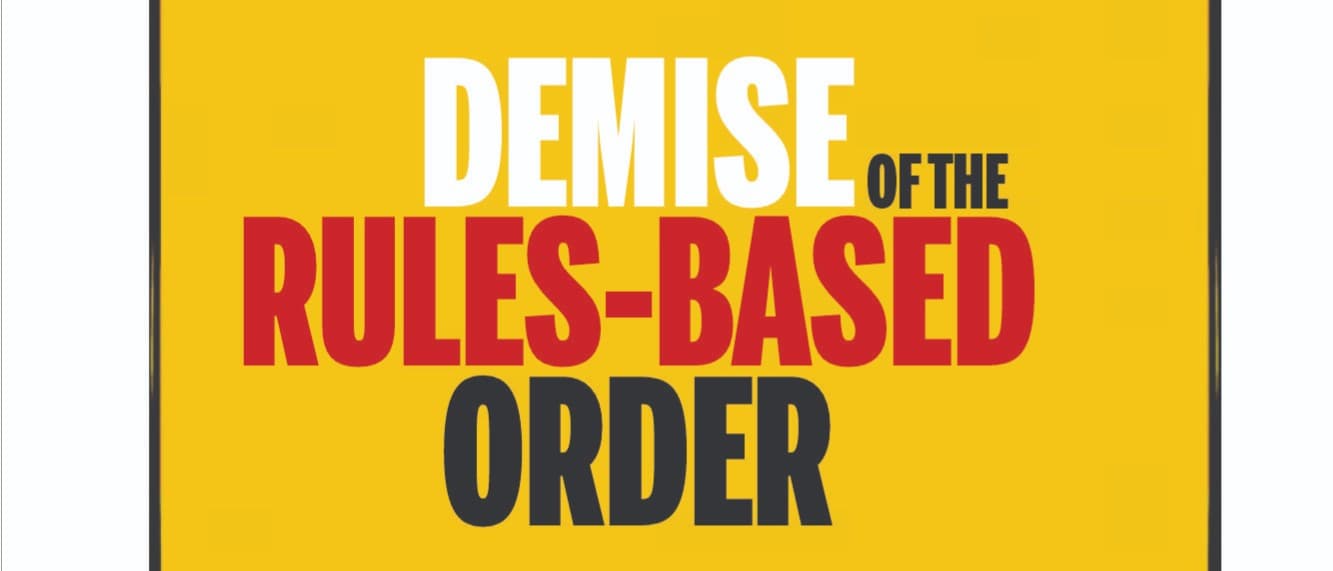
Summary. The contemporary global order is undergoing a significant rupture, marked by the erosion of rule-based multilateralism, the rise of great power politics and the fragmentation of international norms, posing serious strategic, economic and societal challenges for states across the globe. The so-called 'rules-based order', which often functioned as an instrument of powerful states against weaker ones, is leading the world towards instability, uncertainty and selective adherence to international law, intensifying the great-power rivalry where the post-World War II concepts of sovereignty and the resolution of disputes through negotiations no longer matter.
Topics